Species Profile: Donax variablis
10/05/2026
Samuel Clifford
Coquina Clam
(Donax variabilis)
Scientific Classification
Kingdom – Animalia
Phylum – Mollusca
Class – Bivalvia
Order – Cardiida
Family – Donacidae
Genus – Donax
Species – variabilis
Description
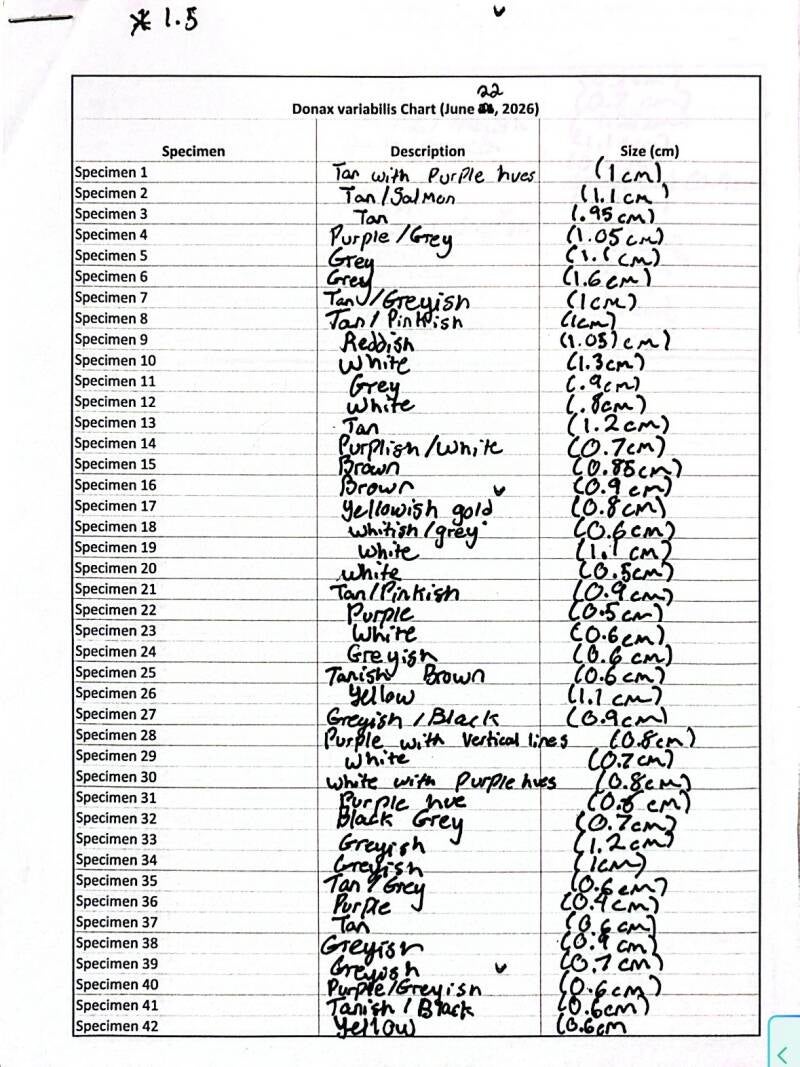
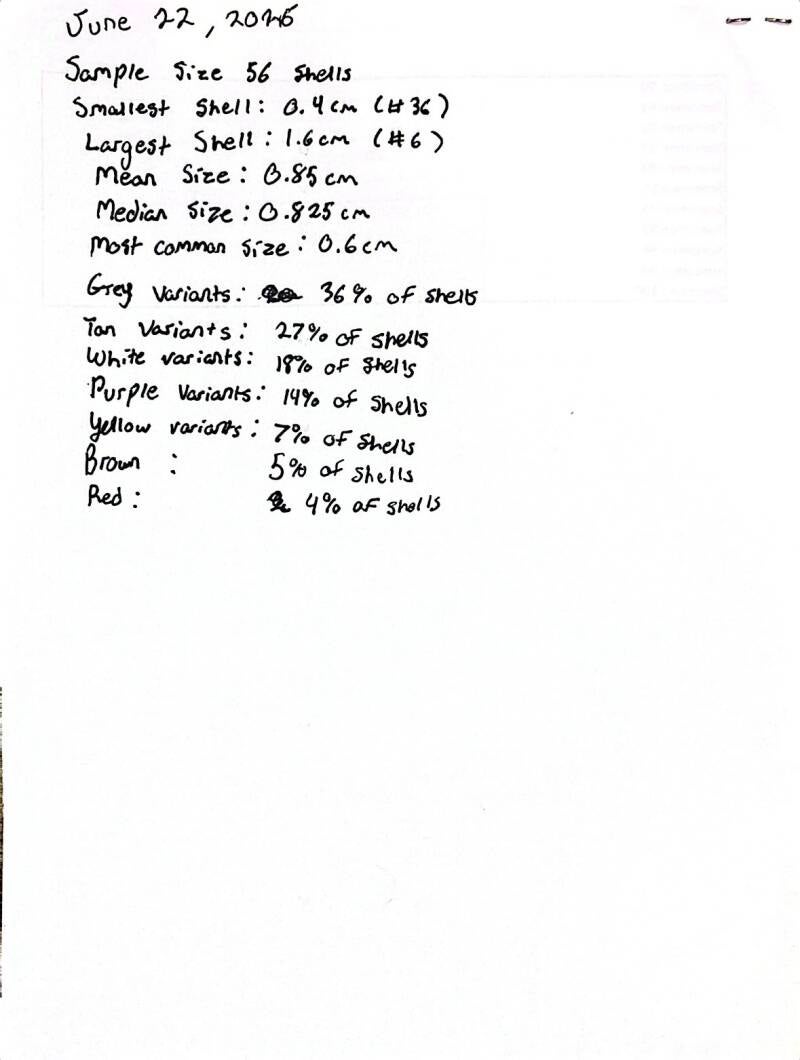
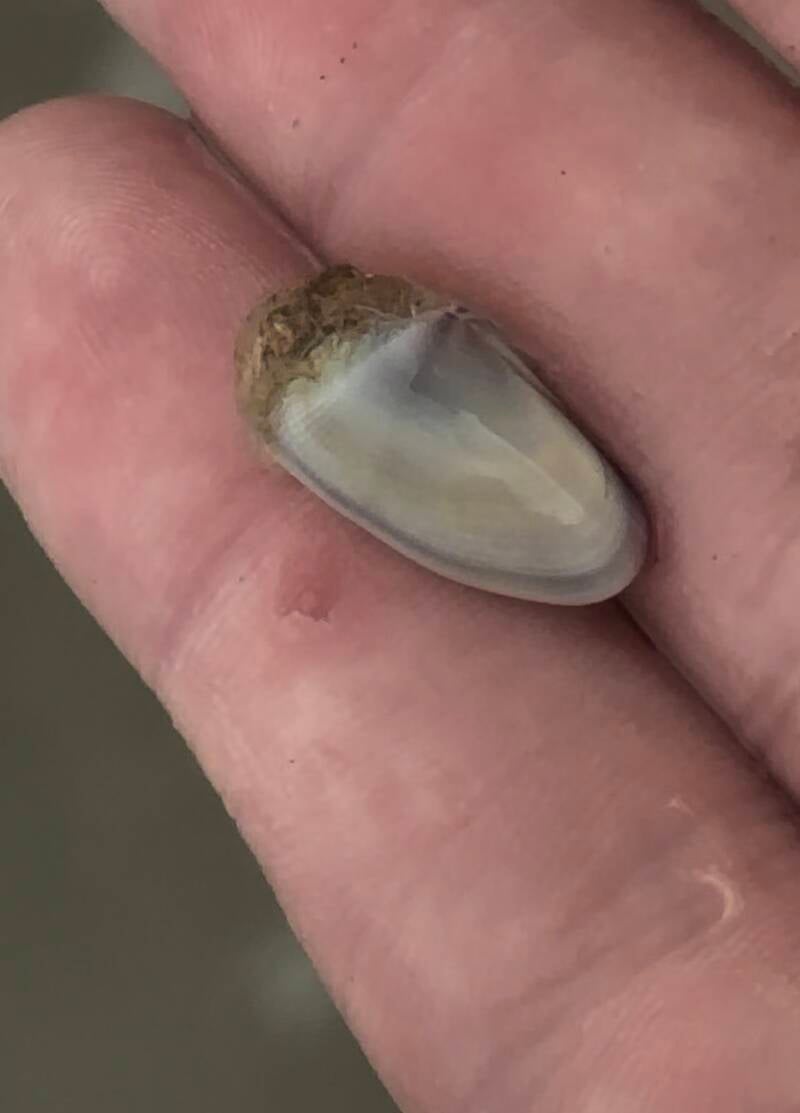
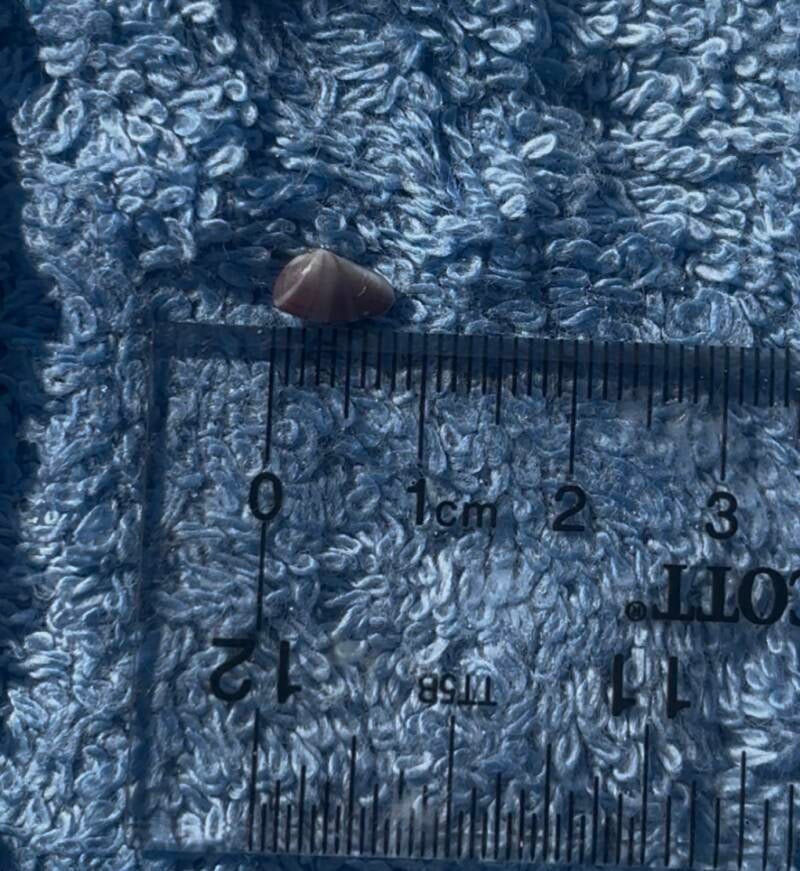
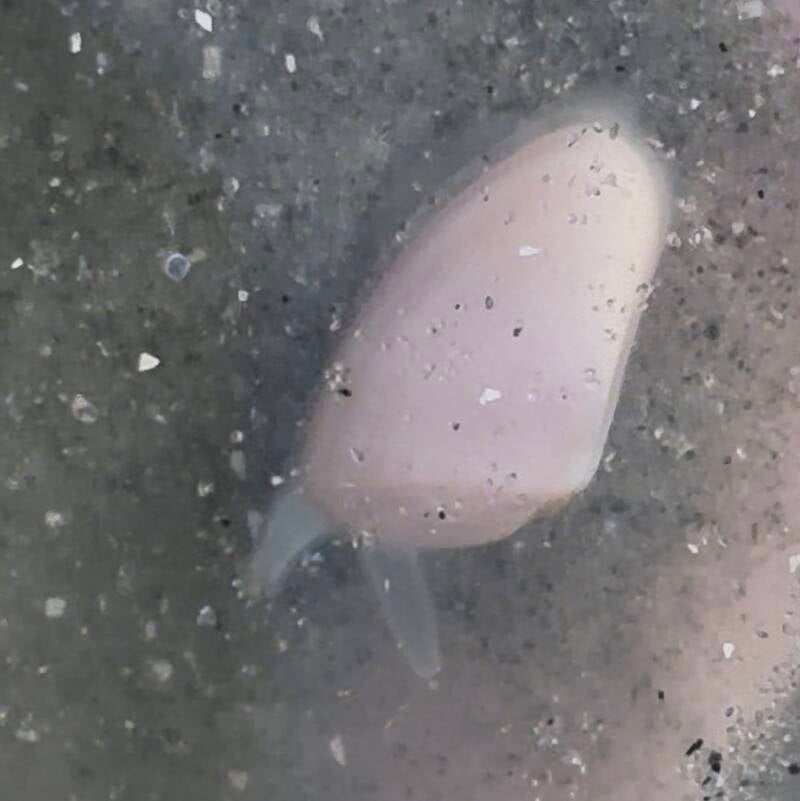
The Coquina clam is a colorful marine bivalve mollusk that measures around 10–25 mm in length. Its shell has a wedge shape & can have many different colors such as white, yellow, pink, blue, etc. Many have markings on them such as lines or of a darker color on their shells. The word coquina is of Spanish origin & used for a limestone composed chiefly of shells.
Habitat
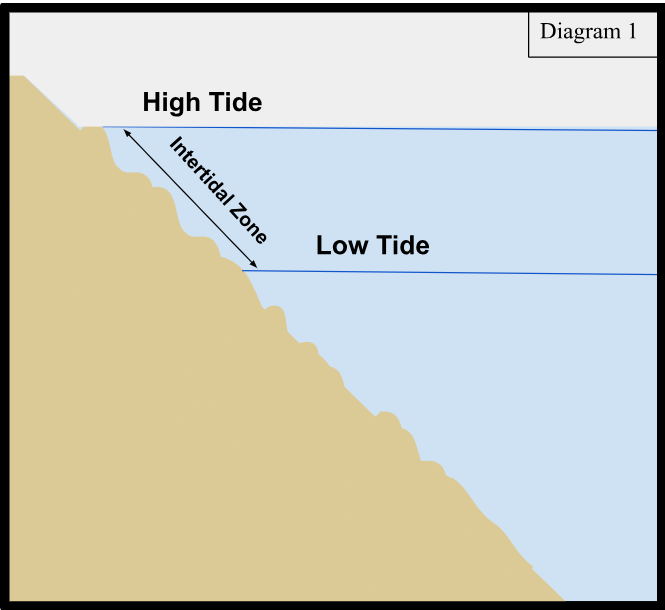
The Coquina clam lives from the intertidal zone (Diagram 1)of sandy beaches to a depth of around 36 ft. They migrate up & down beaches with the tide & reburrow between each wave. This species is considered an indicator species for beach habitat as they are sensitive to environmental changes.
Feeding Behavior
Donax variabilis is a filter feeder that feeds primarily on phytoplankton, algae, detritus, bacteria, & other small particles. As waves wash over them, they use short tube-like siphons to pull in water, extract nutrients, & expel waste.
Range
The Coquina Clam extends New York south to the Florida Keys. It is found in the Gulf of Mexico & coast of Mexico all the way down to the northern shore of Venezuela.
Coquina Hydroids
Coquina hydroids (Lovenella gracilis) are tiny, branching colonial animals that live attached to the shells of Coquina clams. The hydroid possesses stinging nematocysts that defend the host. The hydroids get nutrients while attached to the host.
Reproduction
Coquinas live in close proximity to each other and often in colonies. They release their gametes & due to their close proximity with each other there are good chances of fertilization. The clams are dioecious (meaning individuals have strictly distinct male or female reproductive organs). Their lifespan is typically 1 to 2 years but in the absence of moving water only last up to 3 days. Known predators include Trachinotus carolinus, shorebirds, & sometimes humans.