Epimecis hortaria (Tulip-Tree Beauty Moth)
04/12/2026
Samuel Clifford
Classification:
Kingdom - Animalia
Phylum - Arthropoda
Class - Insecta
Order - Lepidoptera
Family - Geometridae
Genus - Epimecis
Species - hortaria
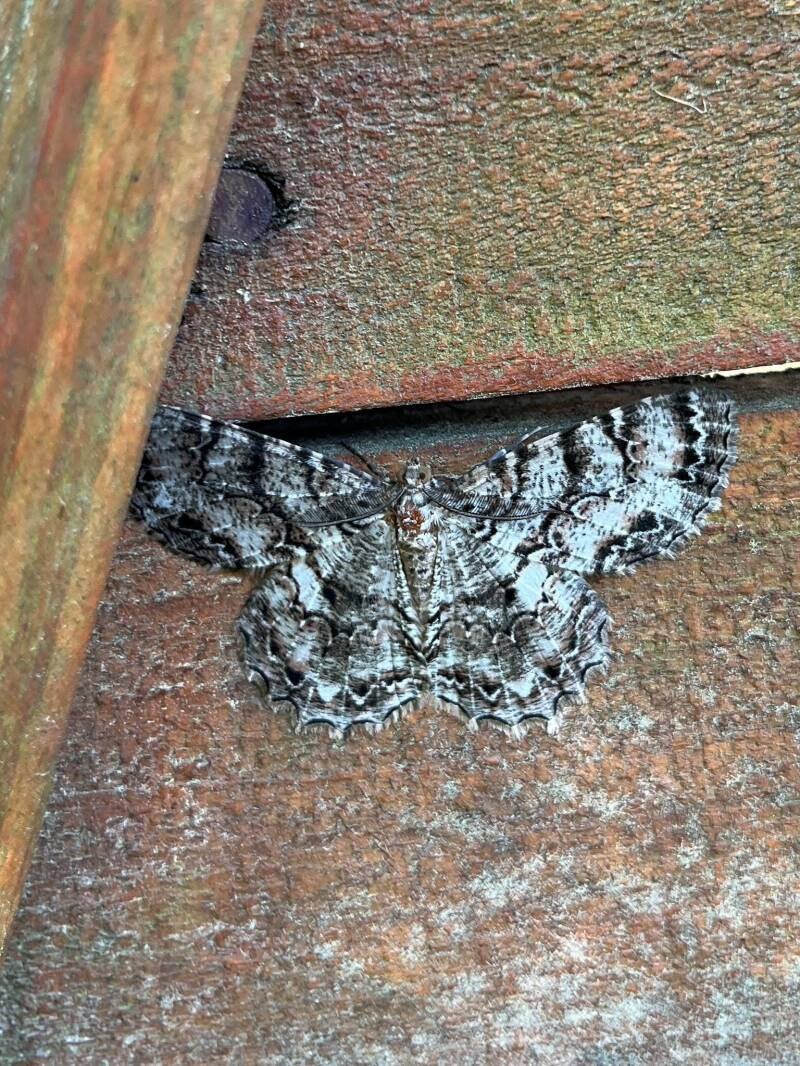
I viewed this species last year in the summer. It appeared to be lighter morph, pale grayish-brownish. This moth is a part of the family Geometridae (Geometer moths) which is known for their “inchworm” or “looper” caterpillars.
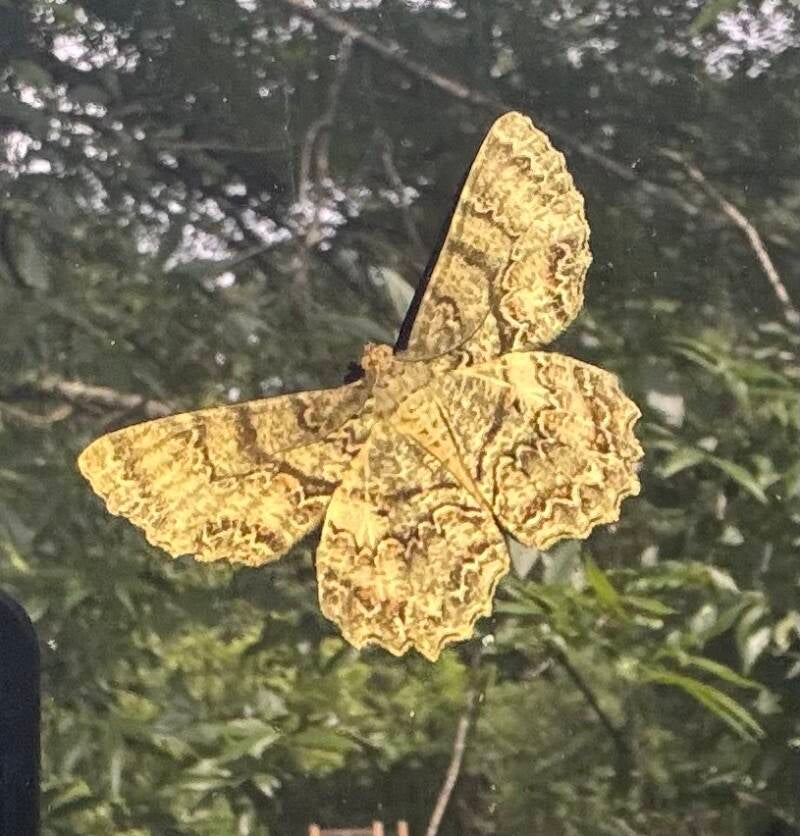
Photo taken in Griffin GA
Life Cycle:
-The eggs of Tulip-tree Beauty Moths are often deposited on the leaves of host plants such as pawpaw, poplars, sassafras, and of course tulip trees. There is no widely published species-specific egg incubation time for the Tulip Tree Beauty Moth
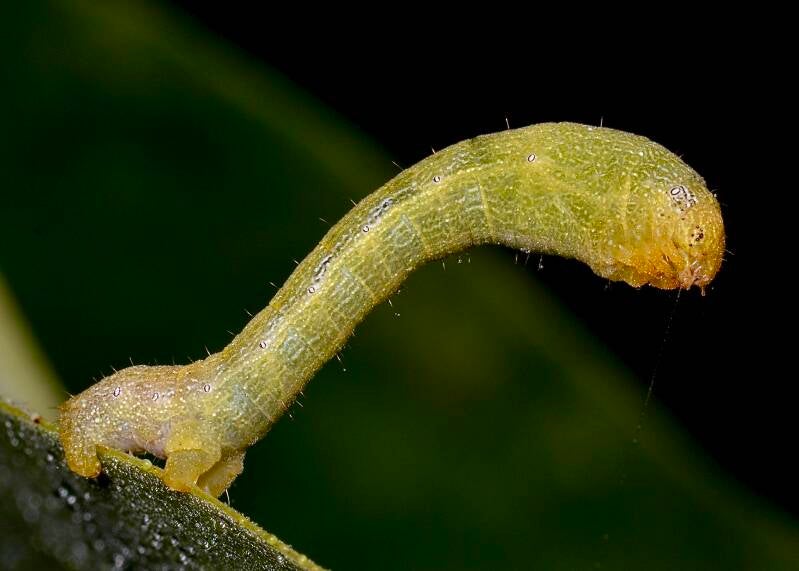
-The larvae of this species can be found feeding on deciduous trees such as pawpaw, poplar, sassafras, and of course tulip trees. The larvae can vary in coloration from pale brown to dusty orange to light green depending on the host plant. They have a swollen thoracic segment which gives it the inchworm look. The larvae possess a soft body that expands & molts several times.
-Pupation occurs in leaf litter or shallow soil, not on the host tree itself. The species overwinters as a pupa.
-The adult Epimecis hortaria have a wingspan of 43–55 mm which makes them one of the larger North American geometrid moths. They are nocturnal & the flight season runs from late March to early October. The lifespan of the adults is unknown but likely around 3–10 days like other Ennominae geometrids. Ennominae is the largest subfamily of geometridae moths.
Range:
Documentation shows adult distribution spans from New England to Florida & west to Texas.