The Third System (1816-1867)
05/07/2026
Samuel Clifford
United States Coasts Exposed (The War of 1812)
The War of 1812 exposed something that troubled lawmakers and everyday Americans. The coast of the United States was unprepared and not well defended. It was susceptible to attack and the Royal Navy of the United Kingdom of Great Britain and Ireland proved this to be true. The Royal Navy was the most powerful navy on earth back in their day and with a weak coastal defense from the United States this strong navy was able to blockade almost the entirety of the U.S. coastline, raid coastal towns at will, and land troops with no resistance. In 1814, the British sailed up the Patuxent River, landed troops, and burned the White House.
The Third System (1816-1867)
The Army’s Corps of Engineers, in reaction to this obvious problem, argued that the U.S. needed a professional, standardized, permanent coastal defense network. Lawmakers authorized the Board of Engineers for Fortifications, and from that point forward, funding came through annual appropriations, not a single lump‑sum bill. Each year, Congress allocated money for surveys, design work, and construction at specific harbors, gradually building out the system from Maine to Louisiana. The financing was substantial for the era, but legislators viewed it as a national security investment, one that would prevent another humiliation like 1814. This steady, multi‑year funding stream is what allowed engineers like Bernard and Totten to design and complete more than forty major forts that defined American coastal defense for decades. A committee of officers from The Board of Engineers for Fortification met in 1816 to plan this defense and they recommended that the United States government maintain:
- A Strong Navy
- A Standing Army and Reserve Militia
- A System of Paved Roads and Canals (for moving troops and supplies)
- A Network of Coastal Forts
General Simon Bernard, a French military engineer, initially led the Board of Engineers for Fortifications, and after he returned to Europe, General Joseph G. Totten took over and became the dominant figure behind the Third System’s design. They shaped nearly every major fort built during this period. The board ultimately oversaw the construction of 42 large coastal forts across the Atlantic, Gulf, and Pacific coasts, creating a unified defensive network that projected U.S. military strength even before the forts were fully armed or staffed. The original report listed 50 fortifications that were needed and then in 1850 it was changed to 200. However, only 42 were built as previously stated.Surprisingly, despite the reason for the building of these fortifications, the fortifications were built in a relatively peaceful time for the United States. This allowed for a great level of standardization in both design and planning.
List of Defensive Works Made:
Fort Knox, Bucksport, ME: Fort
Fort Popham, Popham Beach, ME: Fort
Fort Gorges, Portland, ME: Fort
Fort Scammel, Portland, ME: Fort
Fort Preble, Portland, ME: Fort
Fort McClary, Kittery, ME: Fort
Fort Constitution, Portsmouth, NH: Fort
Fort Warren, Boston, MA: Fort
Fort Winthrop, Boston, MA: Tower and Batteries
Fort Independence, Boston, MA: Fort
Fort at Clarks Point (Taber), New Bedford, MA: Fort
Fort Adams, Newport, RI: Fort and Redoubt
Fort Trumbull, New London, CT: Fort
Fort Schuyler, New York, NY: Fort
Fort Totten, New York, NY: Fort
Fort Tompkins, New York, NY: Fort
Fort Richmond (Battery Weed), New York, NY: Fort
Fort Hamilton, New York, NY: Fort and Redoubt
Fort at Sandy Hook (Hancock), Sandy Hook, NJ: Fort
Fort Delaware, Pea Patch Island, DE: Fort
Fort Carroll, Baltimore, MD: Fort
Fort Monroe, Hampton, VA: Fort
Fort Calhoun (Wool), Hampton, VA: Fort
Fort Macon, Atlantic Beach, NC: Fort
Fort Caswell, Oak Island, NC: Fort
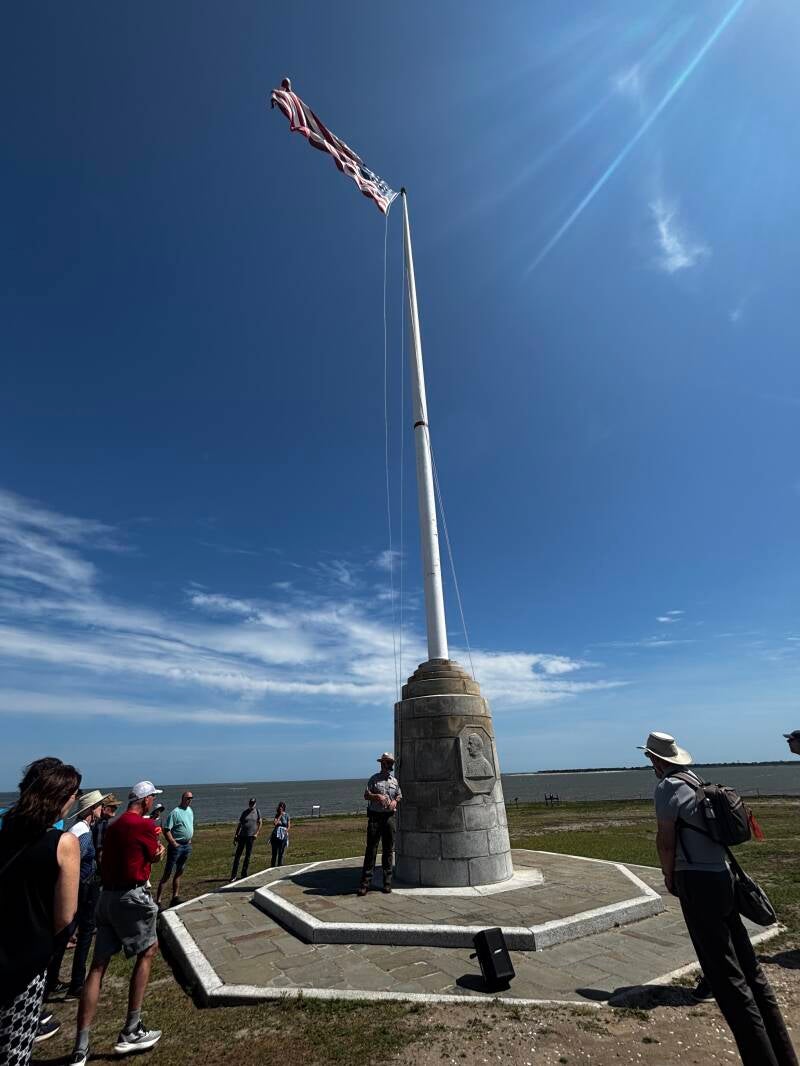
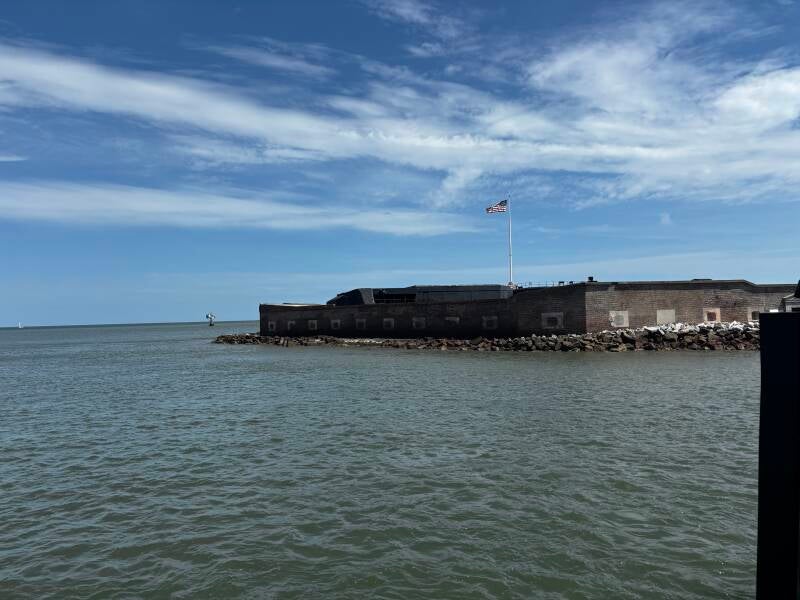
Fort Sumter, Charleston, SC: Fort
Fort Johnson Tower, Charleston, SC: Tower
Fort Pulaski, Tybee Island, GA: Fort
Fort Clinch, Fernandina Beach, FL: Fort
Fort Taylor, Key West, FL: Fort
Fort Jefferson, Dry Tortugas, FL: Fort
Fort Pickens, Pensacola, FL: Fort
Fort Barrancas, Pensacola, FL: Fort
Advanced Redoubt, Pensacola, FL: Fort
Fort McRee, Pensacola, FL: Fort
Fort Morgan, Mobile, AL: Fort
Fort Gaines, Mobile, AL: Fort
Fort Massachusetts, Ship Island, MS: Fort
Fort Pike, New Orleans, LA: Fort
Fort Wood (Macomb), New Orleans, LA: Fort
Battery Bienvenue, New Orleans, LA: Battery
Tower Dupre, New Orleans, LA: Tower
Proctor's Tower (Fort Beauregard), New Orleans, LA: Tower
Fort Jackson, New Orleans, LA: Fort
Fort Livingston, New Orleans, LA: Fort
Fort Point, San Francisco, CA: Fort
Ten Gun Battery, San Francisco, CA: Battery
Fort Alcatraz, San Francisco, CA: Fort
Black Point Battery, San Francisco, CA: Battery
Lime Point Battery, San Francisco, CA: Battery
Battery Stevens, Columbia River, OR: Battery
End of Construction
Construction of the Third System eventually ended because the world around it changed faster than the forts could be built. By the time many of these massive brick structures were finished, new rifled artillery and explosive shells had already made them far more vulnerable than engineers originally believed. The Civil War drove that point home when forts once considered untouchable were breached in a matter of hours. As naval technology shifted toward ironclads and steam‑powered ships, the country began moving away from huge, static masonry defenses and toward more flexible, modern systems. Little by little, funding and attention drifted elsewhere, and the Third System simply faded out as the nation’s needs and technology evolved.
Sources
“Third System of Fortification.” National Park Service, U.S. Department of the Interior,
https://www.nps.gov/articles/000/third-system-of-fortification.htm.
“The Third System of Coastal Forts.” National Park Service, U.S. Department of the Interior,
https://www.nps.gov/articles/third-system-forts.htm.
“Third System Forts.” Fort Sumter and Fort Moultrie National Historical Park, National Park Service,
https://www.nps.gov/fosu/learn/historyculture/third-system-forts.htm.
“Coastal Forts – Third System.” GlobalSecurity.org,
https://www.globalsecurity.org/military/facility/coastal-forts-third-system.htm.
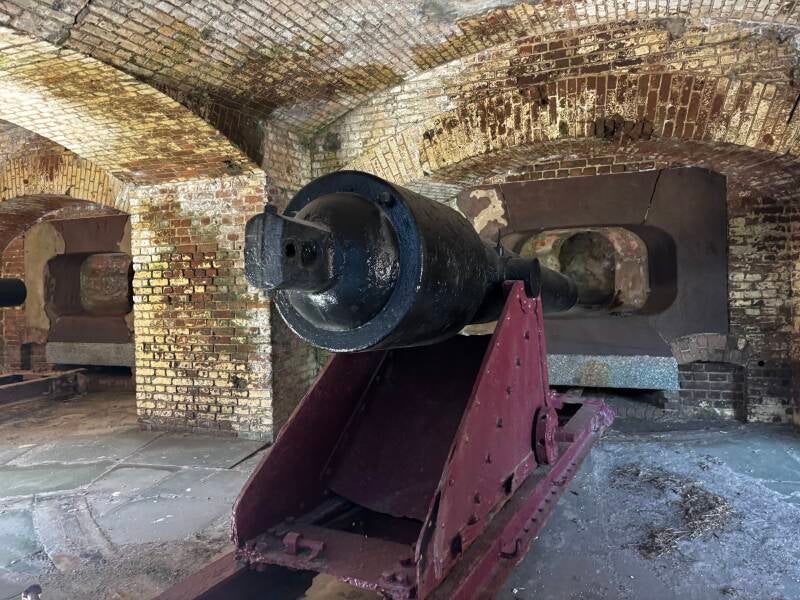
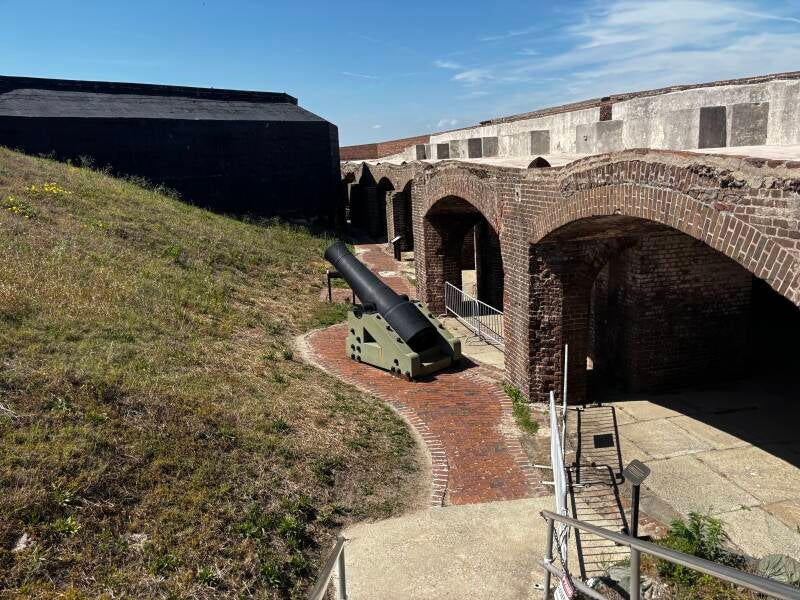
Images of Fort Sumter:
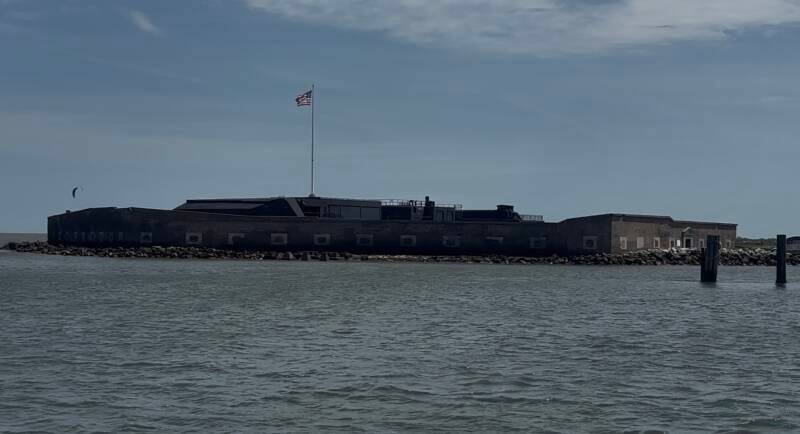
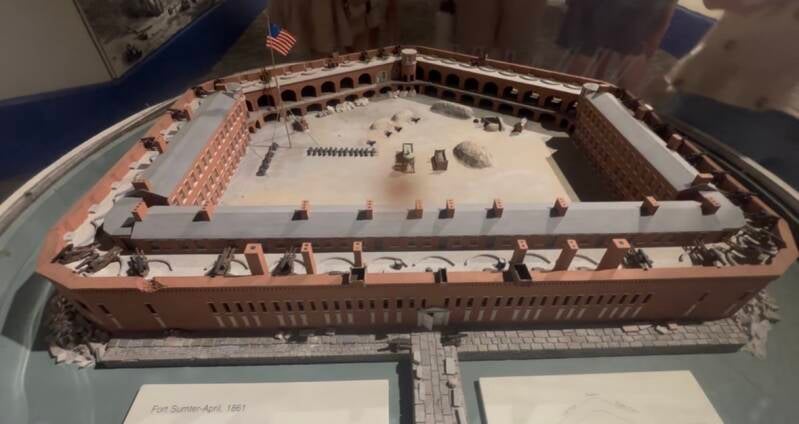
Fort Sumter (2026)
Model of Original Fort Sumter
Additional Information and Updates: